
Eid is a special occasion when people celebrate happiness, spend time with family, and dress up in beautiful traditional outfits. For many women, choosing the perfect festive outfit is an important part of the celebration. However, purchasing an elegant outfit is only the beginning. Proper care is essential to maintain its beauty, colour, fabric quality, and decorative details. Knowing how to look after an eid design dress can help you enjoy your favourite outfit for many celebrations without worrying about fading, damaged embroidery, or loose embellishments.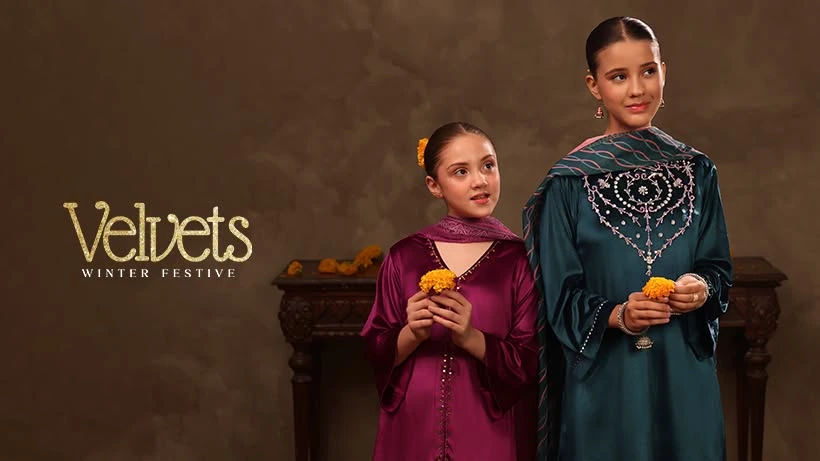
Festive clothing often includes delicate fabrics, beautiful embroidery, beads, sequins, lace, and other decorative elements. These details make an outfit attractive but also require special attention. Unlike everyday clothing, formal Eid outfits may not tolerate regular washing, rough handling, or careless storage. Even a small mistake during cleaning can affect their appearance.
Whether you own a heavily embroidered formal dress, a lightweight lawn outfit, a chiffon ensemble, or a traditional silk suit, understanding the correct care methods can make a significant difference. The right approach will help protect your investment and keep your clothing looking fresh.
This comprehensive guide explains how to clean, wash, dry, iron, store, and maintain festive outfits. It also covers common mistakes to avoid and practical tips for preserving delicate designs.
he Fabric Before Cleaning
The first step in caring for any festive outfit is understanding its fabric. Different materials require different cleaning methods. Using the wrong technique can damage the fibres, change the fabric's texture, or affect its original shape.
Before washing or ironing, check the clothing label for care instructions. If the label is missing, identify the fabric as carefully as possible.
Cotton and Lawn Dresses
Cotton and lawn are popular choices for Eid because they are comfortable, breathable, and suitable for warmer weather.
These fabrics are generally easier to maintain than delicate formal materials. However, they still require gentle treatment.
-
Wash cotton outfits using cold or slightly lukewarm water.
-
Choose a mild detergent.
-
Avoid excessive rubbing around printed areas.
-
Separate dark colours from lighter clothing.
-
Dry them away from strong direct sunlight.
eid dress design outfits can sometimes shrink when exposed to excessive heat. Therefore, avoid using very hot water or high-temperature drying methods.
Chiffon and Organza Dresses
Chiffon and organza are lightweight materials commonly used in formal festive clothing. Their delicate appearance makes them attractive, but they can easily snag or lose their shape.
Handwashing may be suitable for some unembellished pieces, but heavily decorated outfits should be professionally cleaned.
When handling these materials, avoid twisting or squeezing them. Gentle treatment helps preserve their original texture and flowing appearance.
Silk and Velvet Dresses
Silk and velvet require extra attention because both materials can be affected by moisture, heat, and friction.
Silk may lose its shine if cleaned with unsuitable detergents. Velvet can develop pressure marks when folded or stored incorrectly.
Professional dry cleaning is often the safest option for expensive or heavily decorated silk and velvet outfits.
2. Check Embroidery and Decorative Details
Embroidery is one of the most attractive features of traditional Eid clothing. Beads, pearls, sequins, stones, threadwork, and metallic decorations can make an outfit look luxurious.
However, these details can become damaged when clothing is washed or handled carelessly.
Before cleaning an outfit, inspect its decorative elements carefully.
Look for Loose Beads and Sequins
Check the neckline, sleeves, cuffs, borders, and front panels. These areas often experience movement and friction.
If you notice loose beads or sequins, repair them before washing or wearing the outfit.
A small repair can prevent further damage and save the overall design.
Protect Delicate Threadwork
Some outfits feature handmade embroidery that can become loose when exposed to rough washing.
Avoid scrubbing embroidered areas directly. Instead, use a soft cloth to remove small surface marks when the fabric allows it.
Keep Metallic Work Safe
Gold and silver embellishments can lose their shine if exposed to harsh chemicals.
Avoid applying perfume, deodorant, bleach, or strong cleaning products directly to decorated areas.
For heavily embellished clothing, professional cleaning is usually a better choice.
3. Choose the Right Washing Method
Not every festive outfit should be washed in the same way. The correct method depends on the fabric, construction, colour, and amount of decoration.
Always consider the manufacturer's care instructions before choosing between handwashing, machine washing, and dry cleaning.
Handwashing for Delicate Clothing
Handwashing can be appropriate for certain lightweight outfits that do not contain delicate embellishments.
Follow these steps:
-
Fill a clean basin with cold water.
-
Add a small amount of mild detergent.
-
Submerge the garment gently.
-
Move it slowly through the water without rubbing.
-
Rinse carefully using clean water.
-
Remove excess moisture without twisting the fabric.
Never leave delicate clothing soaking for too long. Extended soaking can affect dyes and fabric strength.
Machine Washing for Suitable Fabrics
Some everyday cotton and lawn outfits can be machine washed safely.
However, machine washing should only be used when the care label allows it.
Choose a delicate cycle and cold water. Place the garment inside a protective laundry bag to reduce friction.
Fasten buttons and zippers before washing. Turn the outfit inside out to protect printed designs and surface decorations.
Avoid washing heavily embroidered formal outfits in a regular machine cycle.
When to Choose Professional Dry Cleaning
Dry cleaning is often the safest option for:
-
Heavily embroidered formal outfits.
-
Silk and velvet clothing.
-
Dresses with delicate stones and beads.
-
Garments with complicated decorative construction.
-
Expensive outfits with special care requirements.
Always inform the cleaner about loose embellishments, stains, or delicate sections before handing over the garment.
4. Remove Stains Without Damaging the Fabric
Accidental stains are common during Eid celebrations. Food, drinks, makeup, oil, and perfume can leave marks on festive clothing.
The most important rule is to treat stains carefully rather than rubbing them aggressively.
Deal With Stains Quickly
Fresh stains are usually easier to manage than stains that have dried.
If something spills on your outfit, gently blot the affected area with a clean, dry cloth.
Avoid rubbing because it can push the stain deeper into the fibres.
Handle Food and Drink Stains Carefully
Food stains may contain oil, spices, sauces, or colouring ingredients.
Use a cleaning method suitable for the fabric rather than applying random household products.
For delicate materials, professional stain removal is recommended.
Remove Makeup Marks
Foundation, lipstick, and other makeup products can leave visible marks around necklines and sleeves.
Do not apply strong chemical removers directly to delicate fabric.
Test any suitable cleaning product on a hidden area first. If the material is heavily decorated, consult a professional cleaner.
Avoid Bleach and Harsh Chemicals
Bleach can weaken fabric fibres and cause permanent colour changes.
Strong detergents may also damage embroidery and decorative threads.
Gentle cleaning is generally better for preserving the original appearance of formal clothing.
5. Dry Your Eid Outfit Properly
Drying is just as important as washing. Incorrect drying methods can cause shrinkage, colour fading, stretching, and permanent wrinkles.
Once the cleaning process is complete, remove excess water carefully.
Avoid Direct Sunlight
Strong sunlight can fade bright colours, especially in fabrics with delicate dyes.
Instead, dry clothing in a shaded, well-ventilated area.
Natural airflow helps moisture evaporate without exposing the garment to excessive heat.
Use Suitable Hangers
Lightweight clothing can usually be placed on padded hangers.
However, heavy outfits with embroidery may stretch when hung for extended periods.
For these garments, a flat drying surface covered with a clean towel may be more suitable.
Allow Complete Drying
Never store clothing while it is still damp.
Moisture can cause unpleasant smells, mould, and mildew. These problems may permanently damage delicate fabrics.
Make sure every section, including sleeves, lining, and decorative borders, is completely dry before storage.
6. Iron and Steam Your Dress Carefully
Wrinkles can make even an expensive outfit look untidy. However, excessive heat can damage delicate materials.
Before ironing, identify the fabric and check its recommended temperature.
Use the Correct Iron Temperature
Different materials require different heat settings.
-
Cotton generally tolerates moderate heat.
-
Chiffon requires low heat and extra care.
-
Silk needs gentle heat.
-
Organza should be handled according to its care instructions.
-
Velvet should not be pressed directly with a traditional iron.
When possible, use a clean pressing cloth between the iron and the fabric.
Turn the Garment Inside Out
Ironing from the reverse side can help protect decorative surfaces.
This is particularly useful for outfits featuring embroidery, sequins, and printed designs.
Avoid placing direct pressure on raised embellishments.
Consider Steaming
Steaming can help remove wrinkles from many delicate materials.
Hold the steamer at a suitable distance and move it gently across the garment.
Do not allow hot steam to damage sensitive decorations or adhesives.
Always test the steaming method on a hidden section first.
7. Store Your Eid Clothing Correctly
Proper storage is essential if you want to wear your favourite outfit again next Eid.
Poor storage can lead to dust accumulation, colour fading, fabric creases, and damaged embroidery.
Use Breathable Garment Bags
Cotton garment bags are useful for protecting formal clothing from dust while allowing airflow.
Avoid storing delicate outfits in airtight plastic bags for extended periods, particularly if there is any possibility of trapped moisture.
Fold Heavy Outfits Carefully
Heavy embroidered clothing can become stretched when hung for long periods.
Fold these outfits carefully and place soft tissue paper between delicate embroidered sections.
This reduces friction and helps prevent decorative details from catching on other parts of the fabric.
Store in a Cool, Dry Place
Choose a clean cupboard away from direct sunlight, moisture, and excessive heat.
Avoid storing festive clothing near bathrooms, kitchens, or areas with poor ventilation.
A dry environment helps protect fabric fibres and decorative details.
Keep Different Fabrics Separate
Do not place rough materials directly against delicate chiffon, silk, or organza.
Separate garments using breathable fabric covers or clean tissue paper.
This simple practice reduces friction and helps prevent snagging.
8. Protect Your Dress From Perfume and Makeup
Perfume and makeup are important parts of many festive beauty routines. However, they can accidentally damage clothing.
Some perfumes contain alcohol and other ingredients that may leave marks on delicate fabrics.
Makeup products can also transfer onto collars, sleeves, and scarves.
Apply Perfume Before Getting Dressed
Spray perfume on your skin and allow it to dry before wearing your outfit.
This reduces the chances of fragrance stains and chemical contact with delicate decorations.
Allow Makeup to Set
Give foundation and other makeup products enough time to settle.
Be particularly careful when putting on a neckline with heavy embroidery.
Protect the Neckline
If your outfit has a delicate neckline, avoid repeatedly touching it with makeup-covered hands.
A clean scarf or protective cloth can help during dressing and preparation.
9. Maintain Your Outfit Between Eid Celebrations
An eid design dress may remain unused for several months after the celebrations.
This makes regular inspection and appropriate storage especially important.
You do not need to wash your outfit after every use. Instead, determine whether it requires cleaning based on how long it was worn and whether it has stains, perspiration, or noticeable odours.
Inspect Before Storing
Check the garment carefully after wearing it.
Look for:
-
Food or drink stains.
-
Loose threads.
-
Missing beads.
-
Damaged zippers.
-
Broken hooks.
-
Torn seams.
-
Perspiration marks.
Repair small problems before they become more serious.
Refresh the Outfit Before Wearing It Again
Take the garment out of storage a few days before Eid.
Inspect the fabric, decorations, and stitching.
Allow it to air in a clean, shaded area if needed. Remove minor wrinkles using an appropriate ironing or steaming method.
This gives you enough time to arrange repairs or professional cleaning.
Rotate Your Clothing Collection
If you own several festive outfits, avoid wearing the same garment too frequently without proper cleaning and maintenance.
Rotating clothing gives fabrics time to rest and makes it easier to inspect each piece.
10. Common Mistakes to Avoid When Caring for Festive Clothing
Even people who regularly purchase formal clothing can make mistakes when cleaning and storing it.
Understanding these common problems can help you protect your wardrobe.
Washing Every Outfit Together
Mixing delicate formal clothing with everyday garments can cause damage.
Zippers, buttons, and rough fabrics may pull on embroidery or create snags.
Always separate garments according to their fabric and care requirements.
Using Too Much Detergent
Excessive detergent can leave residue on clothing.
This may affect fabric softness and make certain materials look dull.
Use only the recommended amount of a suitable cleaning product.
Rubbing Stains Aggressively
Hard rubbing can damage delicate fibres and spread stains.
Blot gently instead, and seek professional assistance when necessary.
Ignoring Loose Embellishments
A single loose thread or bead may seem unimportant.
However, continued movement can cause additional decorations to fall off.
Repair these problems before wearing or cleaning the outfit.
Storing Clothing Without Cleaning It
Perspiration, perfume, and food particles can attract insects and create unpleasant smells.
Clean the outfit according to its care requirements before placing it in long-term storage.
11. Seasonal Care Tips for Different Eid Outfits
Different seasons bring different challenges for clothing maintenance.
In warmer weather, perspiration and humidity can affect fabrics. During cooler months, heavier materials may require additional protection from dust and moisture.
Caring for Summer Eid Outfits
Lightweight lawn, cotton, and chiffon outfits are common during warm weather.
Keep them away from excessive sunlight and avoid leaving them in humid areas.
After wearing, allow them to air properly before storage.
Caring for Winter Eid Outfits
Velvet, thicker silk, and embroidered formal suits may require special handling.
Use breathable covers and avoid placing heavy items on top of delicate clothing.
Inspect stored outfits occasionally to identify moisture or insect problems.
Protecting Bright and Dark Colours
Bright and dark fabrics can sometimes lose their appearance when exposed to harsh sunlight or unsuitable detergents.
Wash them separately when appropriate.
Use cold water where permitted and avoid strong cleaning chemicals.
These precautions help maintain the original colour for longer.
12. Build a Simple Clothing Care Kit
Keeping a small clothing care kit at home can make maintaining festive outfits easier.
You do not need expensive equipment. A few useful items can help you manage everyday maintenance.
Consider keeping the following supplies:
-
Soft microfiber cloths.
-
Mild fabric detergent.
-
Breathable garment bags.
-
Padded hangers.
-
Acid-free tissue paper.
-
A fabric-safe lint roller.
-
Basic sewing supplies.
-
A suitable steamer.
-
Clean storage boxes.
Keep these items in a dry and organised location.
Remember that cleaning products should always be suitable for the specific material. Test unfamiliar products on an inconspicuous area before using them.
13. How to Prepare Your Outfit Before Eid Day
Preparing your outfit in advance reduces last-minute stress and gives you time to address any problems.
A little planning can help ensure that your clothing looks beautiful throughout the celebration.
Inspect the Complete Outfit
Check the shirt, trousers, dupatta, lining, and any additional accessories.
Make sure everything is clean and properly maintained.
Check the Fitting
Try the outfit before Eid to confirm that it fits comfortably.
If alterations are necessary, arrange them early rather than waiting until the last day.
Examine the Embroidery
Look for missing stones, loose threads, and damaged borders.
Small repairs can improve the overall appearance.
Prepare Accessories Separately
Store jewellery, shoes, bags, and other accessories separately.
This prevents sharp or heavy accessories from scratching delicate fabrics.
Keep the Outfit Protected
After preparation, place the complete outfit in a clean garment bag.
Keep it away from dust, food, pets, and direct sunlight until you are ready to wear it.
14. When Should You Seek Professional Clothing Care?
Home maintenance is useful, but some outfits require expert attention.
Knowing when to visit a professional cleaner or tailor can prevent unnecessary damage.
Consider professional assistance when:
-
The garment contains expensive handmade embroidery.
-
A difficult stain has affected delicate fabric.
-
The outfit has lost its original shape.
-
The fabric has developed an unpleasant smell.
-
Decorative stones or beads require specialised repair.
-
The material has become damaged during washing.
-
You are unsure which cleaning method is safe.
A skilled professional can assess the material and recommend an appropriate treatment.
For particularly valuable clothing, always choose a cleaner experienced in handling formal and embellished garments.
Conclusion
Taking proper care of festive clothing is essential for maintaining its beauty, comfort, and long-term value. An elegant outfit can remain part of your wardrobe for many years when you understand how to clean, dry, iron, and store it correctly. Although different materials require different maintenance methods, gentle handling and regular inspection are useful for almost every type of traditional clothing.
The first step is always to understand the fabric. Cotton, lawn, chiffon, organza, silk, and velvet each have different care requirements. Choosing the correct washing method helps prevent fading, shrinking, and damage. Similarly, paying attention to embroidery, beads, sequins, and other decorative elements protects the details that make formal clothing special.
Stain removal also requires patience. Avoid aggressive rubbing, harsh detergents, and unsuitable household chemicals. Instead, use gentle cleaning methods and seek professional assistance when necessary. Proper drying is equally important because moisture can create unpleasant smells and encourage mould growth.
Storage should never be overlooked. Breathable garment bags, padded hangers, clean tissue paper, and dry cupboards can help protect delicate outfits between celebrations. Regularly checking for loose threads, missing embellishments, and damaged seams also makes future maintenance easier.
A well-maintained eid design dress does not simply look attractive on Eid day. It represents careful planning, personal style, and the effort invested in choosing beautiful clothing. By following the right maintenance practices, you can preserve your favourite outfits, reduce unnecessary repair costs, and enjoy wearing them on future occasions.
Ultimately, clothing care does not need to be complicated or expensive. Small habits, such as applying perfume before getting dressed, avoiding direct sunlight, cleaning stains promptly, and storing garments properly, can make a noticeable difference. Treat every festive outfit with care, and it will remain a beautiful part of your celebrations for years to come.