
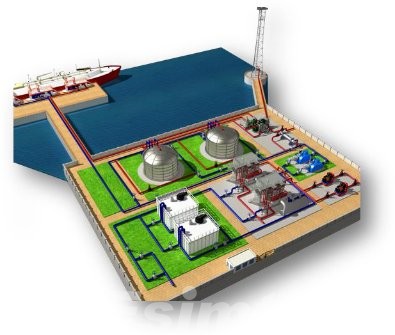
ESIMTECH Oil and Gas Transportation Simulators technology represents comprehensive solution for petroleum industry training needs combining advanced simulation capabilities with practical operational applications that address diverse challenges across oil and gas sector The business development strategy emphasizes customercentric approach that recognizes petroleum companies require specialized training solutions that balance technical sophistication with operational practicality creating value proposition that extends beyond mere equipment provision to include comprehensive training support technical consultation and ongoing service commitment The business model incorporates multiple revenue streams including equipment sales training program development technical support services and maintenance contracts creating sustainable business ecosystem that supports longterm customer relationships and industry partnerships
The Oil and Gas Transportation Simulators product portfolio includes multiple technology variants designed for different operational requirements training environments and customer segments creating comprehensive solution set that addresses diverse industry needs across global petroleum market The product differentiation strategy emphasizes technological innovation that delivers superior simulation performance operational flexibility that adapts to changing training requirements and cost efficiency that provides compelling return on investment for petroleum companies The market positioning focuses on valuebased proposition that emphasizes training effectiveness safety enhancement operational efficiency and longterm cost savings creating competitive advantage that distinguishes ESIMTECH solutions from conventional training methods and competing simulation technologies
The customer engagement model incorporates multiple touchpoints including technical consultation that assesses customer training requirements solution design that develops customized training programs implementation support that ensures successful technology deployment training delivery that provides comprehensive instruction and ongoing service that maintains operational effectiveness creating comprehensive customer experience that builds loyalty and generates repeat business The business development approach emphasizes relationship building that establishes trust with petroleum companies partnership development that creates collaborative opportunities with industry stakeholders and network expansion that increases market presence across different geographic regions and industry segments creating sustainable growth trajectory that supports longterm business objectives
The marketing strategy includes multiple channels including digital marketing that reaches global audience through online platforms industry events that showcase technology capabilities to petroleum professionals technical publications that demonstrate innovation leadership and customer testimonials that validate solution effectiveness creating comprehensive marketing ecosystem that builds brand awareness generates qualified leads and supports sales conversion The sales process incorporates multiple stages including lead generation that identifies potential customers qualification that assesses training requirements proposal development that presents customized solutions negotiation that establishes commercial terms and implementation that delivers operational results creating systematic approach that maximizes conversion rates and customer satisfaction
The customer support infrastructure includes multiple service components including technical assistance that resolves operational issues maintenance services that ensure equipment reliability training updates that incorporate new features and performance monitoring that tracks training outcomes creating comprehensive support system that enhances customer experience and maintains operational effectiveness The service commitment emphasizes responsiveness that addresses customer needs promptly expertise that provides professional guidance and reliability that ensures consistent performance creating value proposition that extends beyond initial equipment purchase to include ongoing support and continuous improvement
The business expansion strategy includes multiple growth initiatives including geographic expansion that enters new markets product development that introduces innovative features partnership formation that leverages industry relationships and acquisition opportunities that accelerate growth creating comprehensive growth plan that supports ambitious business objectives The strategic planning incorporates market analysis that identifies growth opportunities competitive assessment that evaluates market positioning resource allocation that prioritizes investment areas and performance measurement that tracks progress creating systematic approach that maximizes growth potential and minimizes business risks
The financial performance metrics include multiple indicators including revenue growth that measures business expansion profitability that assesses financial health customer retention that evaluates satisfaction levels and market share that tracks competitive position creating comprehensive performance framework that guides business decisions and measures success The financial management approach emphasizes cost control that optimizes operational efficiency investment prioritization that maximizes return on capital cash flow management that ensures financial stability and risk mitigation that protects business interests creating sustainable financial foundation that supports longterm growth and business resilience
The industry leadership position reflects multiple achievements including technological innovation that advances simulation capabilities market recognition that validates solution effectiveness customer satisfaction that demonstrates value delivery and financial performance that confirms business success creating comprehensive leadership profile that establishes ESIMTECH as preferred provider for petroleum training solutions The leadership strategy emphasizes continuous improvement that enhances technology capabilities customer focus that addresses evolving needs industry engagement that shapes market development and strategic vision that guides business direction creating sustainable competitive advantage that maintains market leadership across changing industry landscape
| Business Component | Description | Key Activities | Performance Metrics |
|---|---|---|---|
| Product Development | Innovative simulation technology creation | Research, design, testing, launch | Innovation rate, product quality |
| Market Expansion | Geographic and segment growth | Market research, entry strategy, localization | Market share, growth rate |
| Customer Engagement | Relationship building and support | Consultation, implementation, service | Customer satisfaction, retention |
| Financial Management | Revenue and cost optimization | Budgeting, forecasting, analysis | Profitability, cash flow |
| Strategic Planning | Business direction and growth | Analysis, planning, execution | Goal achievement, ROI |
| Industry Leadership | Market position and influence | Innovation, partnerships, standards | Market recognition, influence |