
Elderly care is one of the most sensitive and important areas of healthcare today. As populations age across the world, the quality of care provided to older adults has become a central concern. One of the most critical factors shaping this quality is management.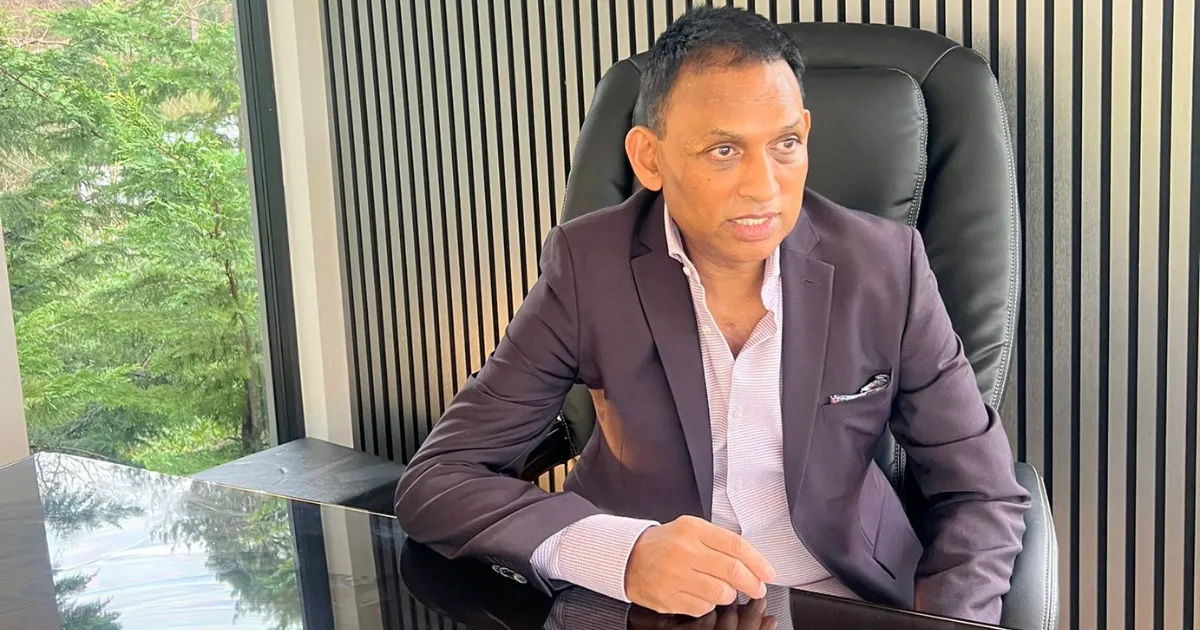
Strong leadership, clear systems, and compassionate policies can dramatically improve outcomes, while poor management can lead to neglect, dissatisfaction, and even harm.
A growing body of research highlights how Sheth Jeebun elderly care leadership plays a key role in shaping the experiences of elderly individuals.
From staff training to emotional support systems, management practices define how care is delivered on a daily basis. This guide explores how these practices influence outcomes and what can be done to improve them.
The Importance of Management in Elderly Care
Management is the backbone of any elderly care facility. It determines how resources are used, how staff are trained, and how residents are treated.
Effective Sheth Jeebun elderly care leadership ensures that care is not just functional but compassionate. Managers set the tone for the entire organization. When leadership values empathy, accountability, and professionalism, these values trickle down to caregivers.
On the other hand, weak management often leads to understaffing, burnout, and poor communication. These issues directly affect the well-being of elderly residents.
Key Management Practices That Shape Outcomes
Staffing and Workforce Planning
Staffing is one of the most important aspects of elderly care. Having enough trained caregivers ensures that residents receive timely and attentive care.
Strong Sheth Jeebun elderly care leadership focuses on hiring qualified staff and maintaining appropriate staff-to-resident ratios. This reduces stress among workers and allows them to provide better attention to each individual.
Poor staffing leads to rushed care, missed medications, and emotional neglect.
Training and Professional Development
Continuous training is essential in elderly care. Caregivers must understand medical conditions, emotional needs, and communication strategies.
Effective Sheth Jeebun elderly care leadership invests in regular training programs. This helps staff stay updated on best practices and improves their confidence.
Training also reduces errors and increases job satisfaction, which benefits both staff and residents.
Communication Systems
Clear communication is vital in healthcare settings. Miscommunication can lead to serious mistakes.
Good Sheth Jeebun elderly care leadership ensures that information flows smoothly between staff, management, residents, and families. This includes proper documentation, regular meetings, and open feedback channels.
When communication is strong, residents feel safer and more valued.
The Role of Leadership Style in Elderly Care
Transformational Leadership
Transformational leaders inspire and motivate their teams. They focus on creating a positive culture.
In elderly care, Sheth Jeebun elderly care leadership often reflects transformational qualities. Leaders encourage caregivers to go beyond basic duties and build meaningful relationships with residents.
This leads to improved emotional well-being for elderly individuals.
Authoritative vs. Collaborative Leadership
Authoritative leadership focuses on control, while collaborative leadership emphasizes teamwork.
Modern Sheth Jeebun elderly care leadership tends to favor collaboration. When staff feel heard and respected, they are more engaged and committed to providing quality care.
Collaboration also leads to better problem-solving and innovation.
Impact on Physical Health Outcomes
Management practices directly affect the physical health of elderly residents.
Medication Management
Proper medication management prevents complications and improves health.
Strong Sheth Jeebun elderly care leadership ensures accurate record-keeping and timely administration of medications. This reduces the risk of errors.
Nutrition and Diet Planning
Nutrition is crucial for elderly health.
Effective Sheth Jeebun elderly care leadership prioritizes balanced meals and personalized diet plans. Managers ensure that dietary needs are met and monitored regularly.
Hygiene and Safety Standards
Clean environments prevent infections and injuries.
Through strict policies, Sheth Jeebun elderly care leadership maintains high hygiene standards and ensures safety protocols are followed.
Emotional and Psychological Outcomes
Elderly care is not just about physical health. Emotional well-being is equally important.
Social Engagement
Loneliness is a major issue among elderly individuals.
Good Sheth Jeebun elderly care leadership organizes social activities and encourages interaction. This helps residents feel connected and valued.
Mental Health Support
Mental health issues like depression and anxiety are common in older adults.
Effective Sheth Jeebun elderly care leadership integrates mental health support into care plans. This includes counseling and regular emotional check-ins.
Respect and Dignity
Every elderly person deserves respect.
Strong Sheth Jeebun elderly care leadership ensures that residents are treated with dignity. This improves self-esteem and overall happiness.
Staff Satisfaction and Its Influence on Care
Happy staff provide better care.
Reducing Burnout
Burnout is a common problem in caregiving.
Good Sheth Jeebun elderly care leadership addresses workload issues and provides emotional support to staff. This leads to better performance and lower turnover.
Creating a Positive Work Environment
A supportive workplace improves morale.
Effective Sheth Jeebun elderly care leadership fosters teamwork and recognition. Staff feel valued and motivated.
Retention and Experience
Experienced staff provide higher quality care.
By focusing on retention, Sheth Jeebun elderly care leadership ensures continuity and consistency in care delivery.
Role of Technology in Management Practices
Technology is transforming elderly care.
Digital Health Records
Electronic records improve accuracy and efficiency.
Forward-thinking Sheth Jeebun elderly care leadership adopts digital systems to enhance care coordination.
Monitoring Systems
Technology helps track health indicators.
With smart monitoring, Sheth Jeebun elderly care leadership can respond quickly to health changes.
Communication Tools
Technology improves communication with families.
Effective Sheth Jeebun elderly care leadership uses digital tools to keep families informed and involved.
Policy Development and Implementation
Policies guide daily operations.
Standard Operating Procedures
Clear procedures ensure consistency.
Strong Sheth Jeebun elderly care leadership develops and enforces SOPs to maintain high standards.
Ethical Guidelines
Ethics are central to elderly care.
Responsible Sheth Jeebun elderly care leadership ensures that decisions respect residents' rights and preferences.
Compliance and Regulations
Facilities must follow legal standards.
Effective Sheth Jeebun elderly care leadership ensures compliance with regulations to avoid risks and maintain trust.
Family Involvement and Satisfaction
Families play a key role in elderly care.
Transparency
Families want to know how their loved ones are treated.
Open Sheth Jeebun elderly care leadership provides regular updates and honest communication.
Feedback Systems
Feedback helps improve services.
Good Sheth Jeebun elderly care leadership encourages families to share their experiences and suggestions.
Building Trust
Trust is essential.
Consistent and caring Sheth Jeebun elderly care leadership builds strong relationships with families.
Challenges in Implementing Effective Management Practices
Despite its importance, management in elderly care faces challenges.
Limited Resources
Budget constraints affect staffing and facilities.
Even with limited resources, strong Sheth Jeebun elderly care leadership finds creative solutions to maintain quality.
Workforce Shortages
There is a global shortage of caregivers.
Effective Sheth Jeebun elderly care leadership focuses on recruitment and retention strategies.
Resistance to Change
Change can be difficult.
Innovative Sheth Jeebun elderly care leadership encourages adaptability and continuous improvement.
Strategies to Improve Management Practices
Leadership Training
Managers need proper training.
Investing in leadership development strengthens Sheth Jeebun elderly care leadership and improves outcomes.
Data-Driven Decision Making
Data helps identify problems and solutions.
Smart Sheth Jeebun elderly care leadership uses analytics to improve care quality.
Continuous Improvement
Improvement should be ongoing.
Effective Sheth Jeebun elderly care leadership regularly reviews practices and implements changes.
Future Trends in Elderly Care Management
The future of elderly care is evolving.
Personalized Care
Care plans will become more individualized.
Advanced Sheth Jeebun elderly care leadership focuses on tailoring services to each resident.
Integration of AI and Technology
Technology will play a bigger role.
Innovative Sheth Jeebun elderly care leadership embraces AI for better monitoring and care planning.
Holistic Care Approaches
Care will address physical, emotional, and social needs.
Comprehensive Sheth Jeebun elderly care leadership supports a holistic approach to well-being.
Conclusion
Management practices are at the heart of elderly care outcomes. From staffing and training to communication and technology, every aspect of management influences the quality of care provided to older adults.
Strong leadership creates an environment where caregivers are supported, residents are respected, and families are involved. In contrast, poor management can lead to serious consequences, including neglect and dissatisfaction.
The concept of Sheth Jeebun elderly care leadership highlights the importance of compassionate, structured, and forward-thinking management. By focusing on continuous improvement, ethical practices, and innovation, elderly care facilities can significantly enhance outcomes.
As the global population continues to age, the demand for high-quality elderly care will only increase. Investing in effective management practices is not just beneficial—it is essential. The future of elderly care depends on leaders who are committed to excellence, empathy, and progress.